

If the last decade of additive manufacturing (AM) was defined by “going digital,” 2026 marks a clear shift toward a more intelligent and integrated stage of development.
For years, the industry has faced persistent challenges: high barriers to design entry, the need for manual supervision during printing, and safety concerns in industrial post-processing. As we prepare to open the doors for TCT Asia 2026 in Shanghai, a convergence of technologies is beginning to address these long-standing bottlenecks.
This year, the show floor is not only filled with faster machines, but with increasingly intelligent ecosystems. From AI-assisted design tools to automated production workflows, exhibitors are demonstrating how additive manufacturing is evolving toward greater accessibility, reliability, and scalability.
Based on our exclusive preview of exhibitor technologies, here are the top 3 trends in intelligent additive manufacturing that you must see at TCT Asia 2026.
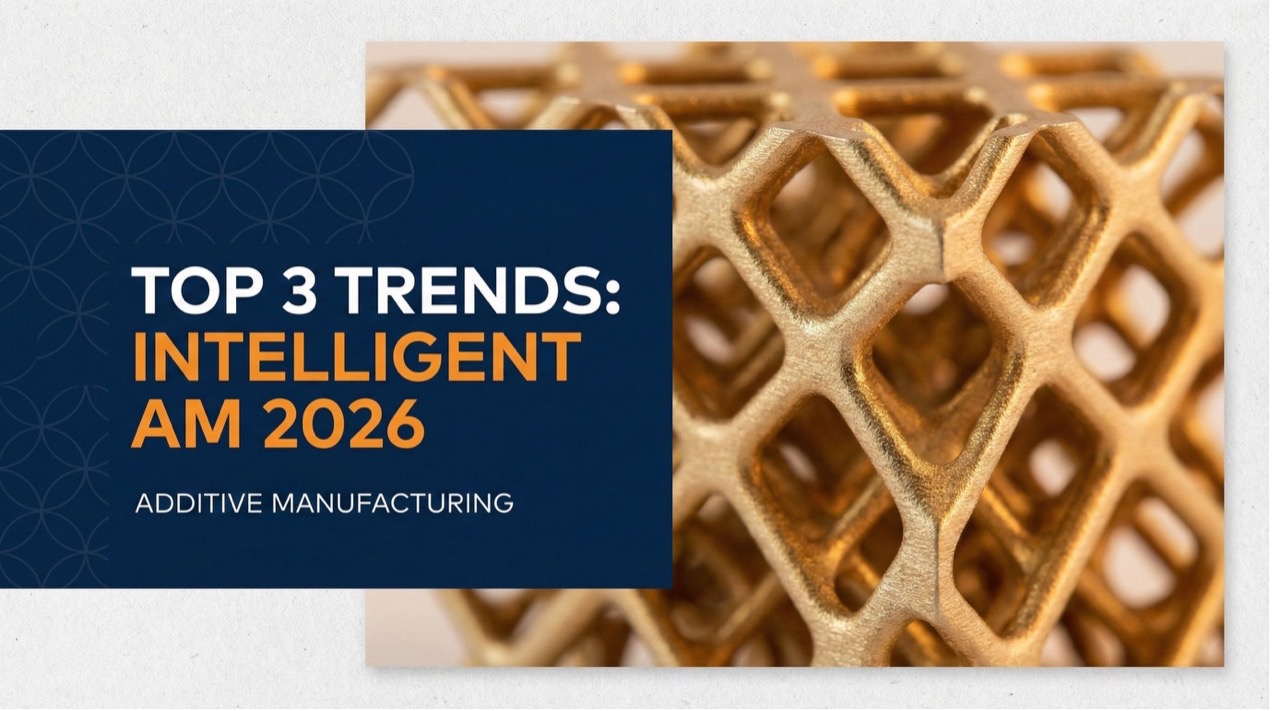
One of the clearest signals at TCT Asia 2026 is the rapid shortening of the distance between creative intent and manufacturable geometry. Rather than treating design, simulation, and production as isolated steps, a growing number of software exhibitors are positioning AI as a connective layer across the entire workflow.
This shift is not only about faster modeling. It reflects a broader change in how 3D data is created, validated, and prepared for downstream manufacturing.
1. Software: The "What You See Is What You Get" Era
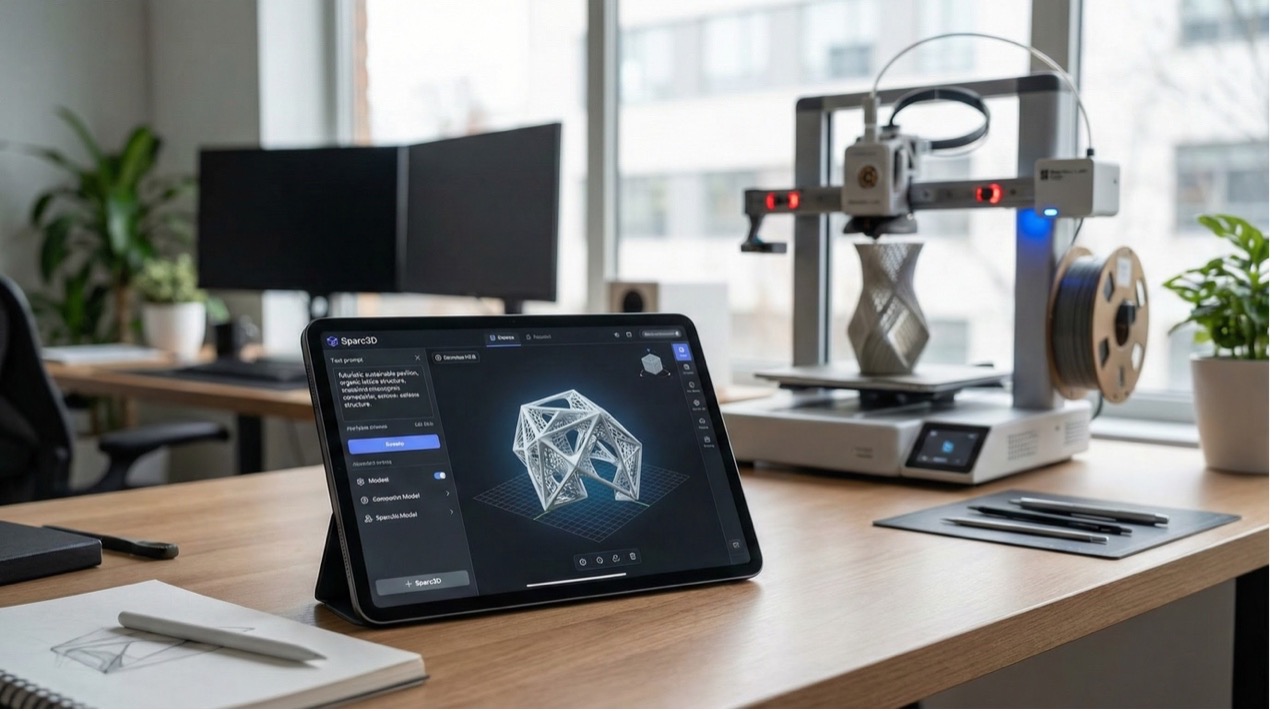
For decades, CAD skills were the gatekeeper of the 3D printing industry. In 2026, those gates have been blown open. We are seeing a surge in software solutions that utilize Large 3D Models (L3DMs) to generate printable files from simple text or images.
TCT Insight: Across these platforms, the emphasis is shifting from perfecting individual modeling tools to enabling smoother transitions from AI-generated content to manufacturable geometry. The discussion in 2026 is less about replacing designers, and more about expanding who can participate in 3D creation—and how quickly ideas can enter the production pipeline.
2. Hardware: The Printer as a Robot
On the hardware side, the role of the 3D printer is also evolving. Desktop and professional systems are no longer viewed as isolated machines, but as intelligent nodes within a broader production workflow. Automation, monitoring, and ease of use are becoming just as important as raw printing performance.
TCT Insight: What stands out in 2026 is not a single breakthrough feature, but the gradual transformation of printers into more autonomous production units. As AI-generated models become easier to create, the demand for hardware that can reliably execute those designs—without constant manual oversight—continues to grow.
As additive manufacturing continues to scale from prototyping toward industrial production, automation and operational safety have become central concerns—particularly in metal AM environments. In 2026, industrial users are no longer evaluating machines in isolation; instead, they are assessing how entire systems operate together across printing, material handling, and post-processing.
At TCT Asia 2026, this shift is evident in the growing emphasis on integrated automation architectures that aim to reduce manual intervention, improve process consistency, and enhance workplace safety.
1. Connected Production Systems
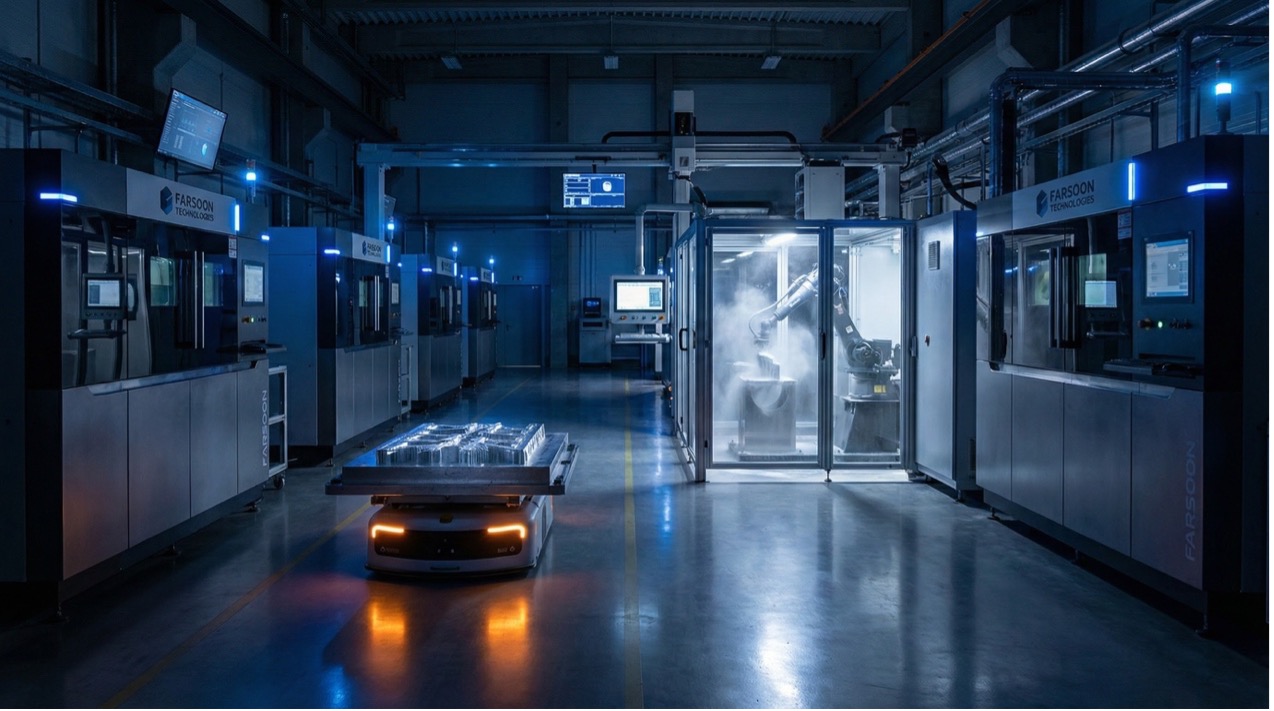
Metal powder handling (especially titanium and aluminum) has historically been the most dangerous and labor-intensive part of AM. At TCT Asia 2026, exhibitors are proving that humans no longer need to touch the powder.
TCT Insight: Across these solutions, the priority is shifting away from maximizing single-machine utilization and toward managing the entire production process. Automation is less about replacing operators outright and more about minimizing repetitive, high-risk manual tasks while improving overall system stability.
2. Automation as a Safety Strategy
In metal additive manufacturing, safety considerations are inseparable from automation. Powder handling, part removal, and post-processing have historically introduced both operational risk and labor intensity. At TCT Asia 2026, many exhibitors frame automation as a means of isolating sensitive processes rather than accelerating them.
TCT Insight: Rather than positioning automation purely as a productivity tool, many exhibitors emphasize its role in risk reduction. By enclosing sensitive processes, standardizing workflows, and centralizing control, integrated automation is becoming a foundational requirement for industrial-scale additive manufacturing.
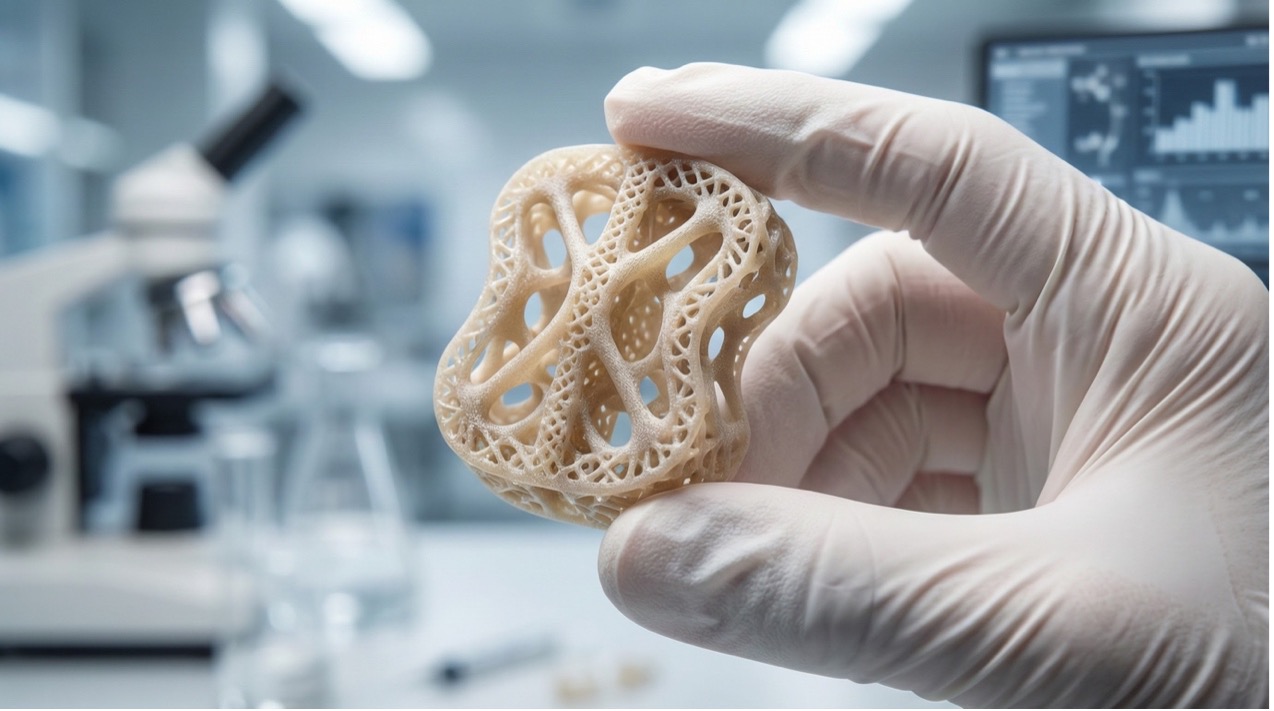
While software and automation often dominate discussions around intelligent additive manufacturing, materials remain a foundational enabler of real-world adoption. In 2026, the focus is shifting away from experimental material breakthroughs and toward how material systems support multi-material use, diversified applications, and scalable production workflows.
TCT Insight: In 2026, material innovation is less about disruptive discoveries and more about alignment. As additive manufacturing scales, materials are expected to support multi-material use, reliable automation, and application-specific requirements.
Join us in Shanghai to see these innovations in action. From AI-enabled design tools to integrated industrial production systems, TCT Asia 2026 brings together the technologies shaping the next stage of additive manufacturing.
We also anticipate lively discussions on the show floor regarding IP and Copyright. As AI makes "remixing" reality easier, how we protect digital assets will be the next great challenge for our industry—a topic we will explore in our conference tracks.
[Register for TCT Asia 2026 Here] [View the Full Exhibitor List]






TCT Asia