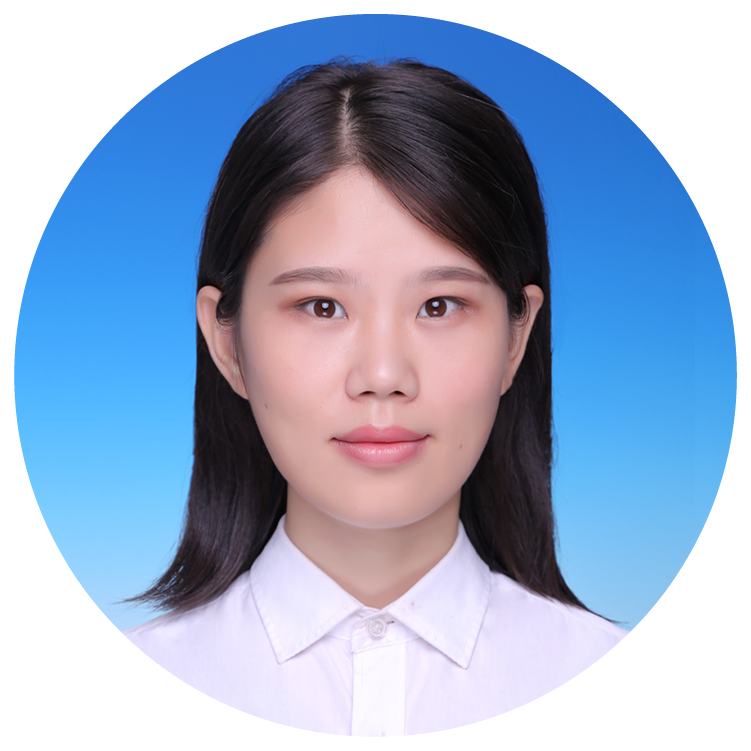
Lin Xin
Professor
Wuhan university of science and technology



Synergy and Prospects: The Role of Digital Twins in Advancing Additive Manufacturing
【Abstract】
1. Digital twins, when integrated with sensor data, can predict state variables that are challenging to measure directly in situ, including cooling rate, microstructure, and mechanical properties.
2. Digital twin technology empowers remote oversight of assets by automating data collection and providing real-time analytics. This eliminates the need for managers to be on-site, dramatically increasing operational management efficiency.
3. Digital twin predictive models overcome the limitations of traditional trial-and-error methods, which are time-consuming and frequently inadequate for parameter optimization across varying part geometries. By utilizing historical data for parameter optimization, these models minimize the need for extensive experimental data.
4. Unlocking the full potential of digital twins in additive manufacturing requires overcoming their limited reusability due to high customization. Future efforts should prioritize creating reusable, configurable service frameworks to promote a shift from single-use implementations toward sustainable, service-oriented models.
【Bio】
Lin Xin is a Professor and currently serves as the Deputy Director of the Hubei Provincial Key Laboratory of Mechanical Transmission and Manufacturing Engineering. Her research focuses on intelligent online monitoring and the smart regulation of material properties in the fields of smart manufacturing and additive manufacturing. She has been honored with several distinctions, including the “Chutian Scholar” award under the Hubei Chutian Scholars Program and the “Wuhan Morning Sun Plan” for Young Scientific and Technological Talents. Professor Lin has led nine national and provincial-level projects, encompassing initiatives supported by the National Natural Science Foundation of China (including youth and general programs), defense-related projects, and key Hubei Provincial research programs. She is also a recipient of the Scientific and Technological Progress Award from the mechanical industry. Over the past five years, she has authored or co-authored more than 40 papers as first or corresponding author in internationally recognized journals in smart manufacturing field. In addition, she holds 12 authorized invention patents, including two in the United States, has published one monograph, and contributed to the drafting of two national standards. Professor Lin is an active member of the Additive Manufacturing Committee of the China Nonferrous Metals Society and serves on the editorial board of several academic journals, including Materials Science in Additive Manufacturing (MSAM).







TCT Asia

 Back to List